


Can You Establish a Successful Company Without a Business Plan? Here’s the Straight Answer
August 2, 2025With the rise of online scams and the increasing sophistication of fraud methods, protecting your financial information has become more important than ever.
Here are the most common and practical steps you should follow to keep your money and personal data safe—whether you’re banking, shopping, or browsing online.
1. Never Share Your OTP Code
Banks never ask for your One-Time Password (OTP) under any circumstance.
Anyone who asks for it—regardless of their tone, language, or claimed identity—is attempting fraud.
This code grants full access to your account.
2. Keep Your Savings in a Separate Account
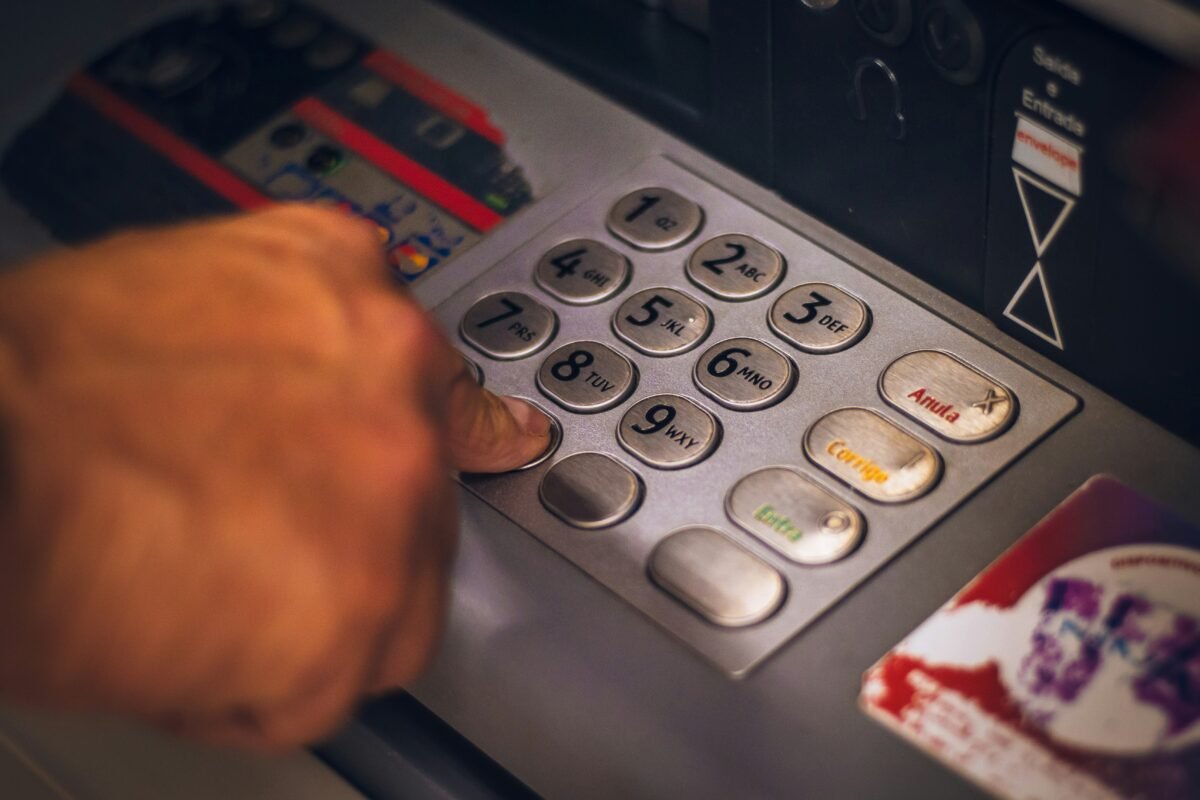
Store most of your money in your saving account, not your current account.
Use the current account only for your monthly spending.
This minimizes the risk in case of unauthorized transactions.
3. Set Spending Limits on Your Card
Activate limits on card usage and disable online purchases when not needed.
When you want to buy something online, enable the feature temporarily, then disable it again.
Prefer using POS machines for payments whenever possible.
4. Never Hand Your Card to Anyone
When paying at stores, don’t allow the cashier to take your card away.
Ask them to bring the POS terminal to you.
A single glance at your card details may allow unauthorized use on websites that don’t require OTP, such as Amazon, eBay, Temu, and many others.
5. Stay Away from Unlicensed Trading Platforms
Most unregulated trading websites rely on deceptive tactics:
They show fake profits, push you to deposit more, and eventually block your withdrawals.
Only use officially licensed and reputable trading platforms.
6. Avoid Shopping From Unknown Websites
Heavy discounts and unrealistic offers are often traps to steal card details.
Before making any online purchase:
- Search the website on Google
- Read customer reviews
- Check Trustpilot
- Ask others about their experience
If the website looks suspicious, don’t enter your card details.
7. Delete Unnecessary Apps
Many mobile apps—especially on Android—collect sensitive data or access stored passwords.
Keep only the apps you trust and actually use.
8. Do Not Open Unknown Links
Links received via WhatsApp, SMS, or social media may contain malware or phishing pages.
Only open links from trusted and verified sources.
9. Never Share Your Card Details With Anyone
Your card number, expiration date, and CVV code are strictly private.
Do not share them with friends, relatives, or anyone else.
Once shared, your account becomes vulnerable to misuse.
10. Block Your Card When Traveling
If you’re not planning to use your card while traveling, simply block it through your banking app.
Unblock it when you return.
11. Protect Your Chequebook
Do not leave unused cheques exposed.
Anyone who gets access to your signed cheques can misuse them.
12. Enable Banking Notifications

Activate SMS and mobile notifications to monitor account activity in real time.
Many victims discovered unauthorized transactions too late because they ignored or disabled alerts.
Final Note
Protecting your financial information is essential in a world where digital fraud is constantly evolving.
Your awareness, caution, and proper digital habits form the strongest defense against scams and unauthorized access.
Sharing these guidelines with family, friends, and colleagues, digital safety begins with knowledge, and a well-informed community is a more secure community.